Skip to main content Scroll Top

Entries

16 Apr: Cardboard Club

Cardboard Club

In 1948 home football games got a lot more colorful when cheerleader Norm Sper founded the Cardboard Club. The club made creative displays out of squares of painted cardboard that students held up during football games to make composite pictures. Requiring careful organization and coordination, the sometimes elaborate displays were a highlight of football games in the 1950s and 1960s. The displays contained pictures and sayings, the most popular of which was "GO TO HELL STATE." By the late 1960s there were frequent threats to suspend the card stunts when some students started throwing their cards. Faculty in particular complained of this as their seats were below the student section. The card stunts returned in the early 1980s, aided by students who employed computers to design the patterns, but were canceled after a few years when students started throwing cards again.
CampusY_973

16 Apr: Campus Y

Campus Y

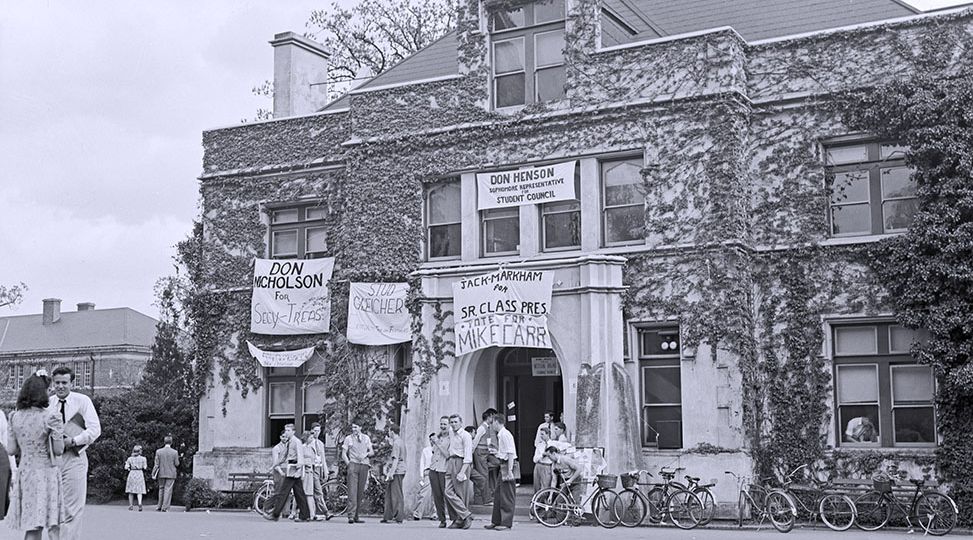
The campus chapter of the Young Men's Christian Organization was founded in 1859 as a religious organization for students and was initially housed in South Building. The Y was a popular gathering place and by the late nineteenth century began to administer nonreligious programs. Many student services were run through the Y, including the campus bookstore. For a brief period the Y even ran student athletics. The YMCA Building, designed by Frank Milburn, opened in 1907 and quickly earned a place at the heart of student life. The YMCA published a student handbook, organized a freshman orientation program, offered career services, and hosted a popular soda fountain. A campus chapter of the Young Women's Christian Association (YWCA) was founded in 1936 to support the growing population of women at UNC. The two organizations worked closely together and merged in 1964.

In the 1920s the Y began to look beyond the campus, sponsoring the Institute on Human Relations (later renamed the Symposium on Public Affairs), bringing prominent speakers to campus to discuss national and international issues. The outward-facing role of the Y grew as other campus organizations began to take responsibility for student services and as religion played a less prominent role in student life. The Y's active role in community life increased under the leadership of Anne Queen, who came to Carolina in 1956 to lead the YWCA and later served as the director of the combined Campus Y from 1964 to 1975. During this period of great change and protest, Queen was a mentor to student activists and placed the Campus Y at the center for the struggle for social justice at UNC—Chapel Hill. Students affiliated with the Campus Y were active in protests against the Vietnam War and in support of civil rights and racial justice. Ending its formal affiliation with the YMCA in 1978, the Campus Y, now administered by UNC Student Affairs, hosts programs and provides services for student groups working on community engagement and social justice.

Date Established: 1859

Date Range: 1859 – Present

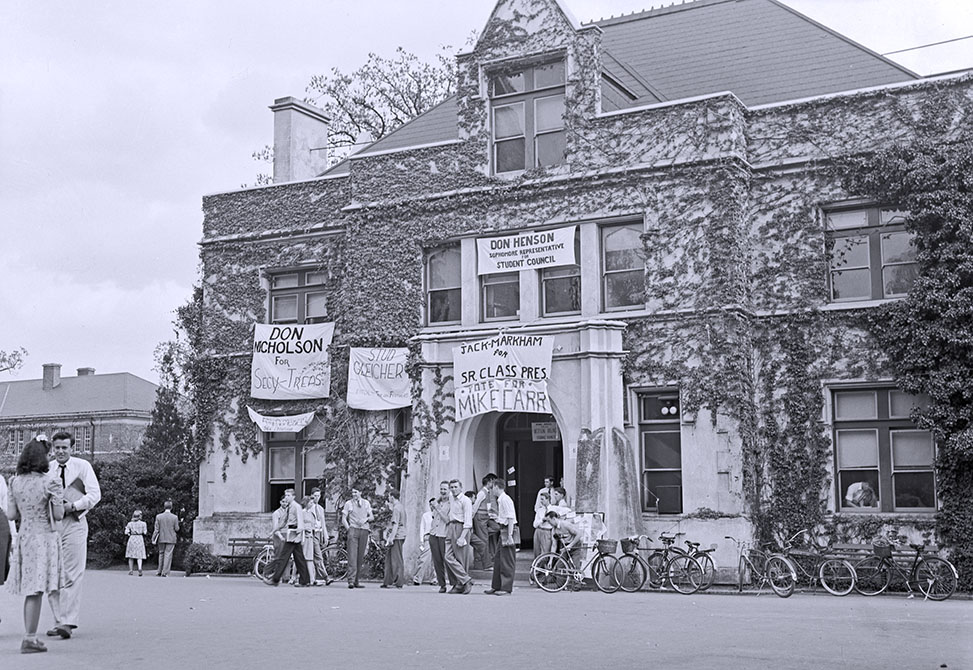
The YMCA Building, shown here with signs for student government elections in April 1942, was the center of UNC student life for decades. Photo by Hugh Morton. Hugh Morton Photo Collection, North Carolina Collection Photo Archives, Wilson Library.


16 Apr: Cameron Avenue

Cameron Avenue

Built on an old carriage path that led west from the campus, the street now known as Cameron Avenue was originally called College Avenue. In the early 1880s it was named for Paul Cameron, in appreciation his many contributions to the university as a trustee and donor, and for the sugar maple trees he donated to plant along the road. Cameron, born into a wealthy family in Orange County, attended UNC briefly in the 1820s before being expelled for fighting. He eventually graduated from nearby Trinity College. He was a supporter of higher education throughout his life. He provided funds to help reopen Carolina in the 1870s and to build the original Memorial Hall in the 1880s. Cameron was also a member of the UNC Board of Trustees. The Camerons were one of the wealthiest families in the South. They owned property throughout North Carolina, including what is now the historic Stagville plantation in Durham, as well as plantations in Alabama and Mississippi. By the late 1850s Paul Cameron and his siblings enslaved more than 1,000 people.

Date Established: 1885

Date Range: 1885 – Present

CaldwellMonuments_973

16 Apr: Caldwell monuments

Caldwell monuments

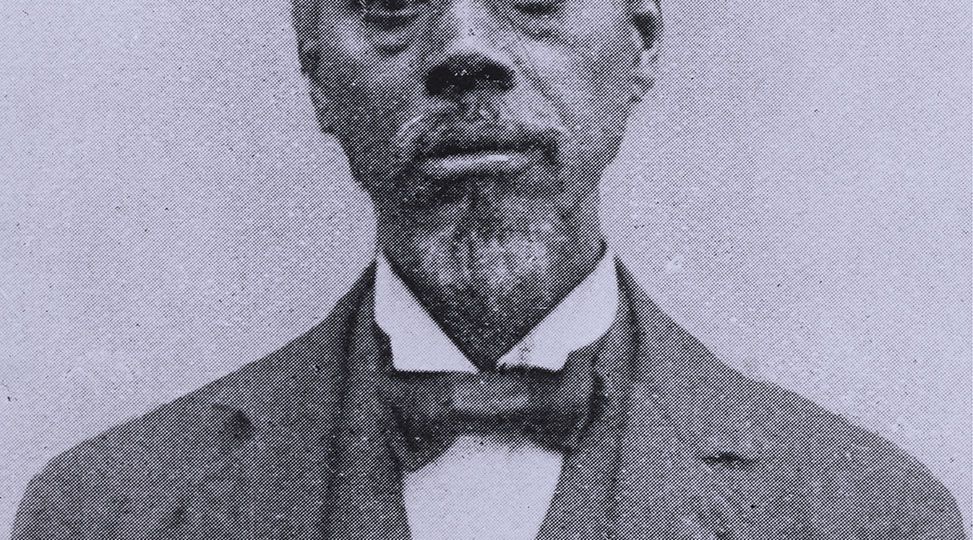
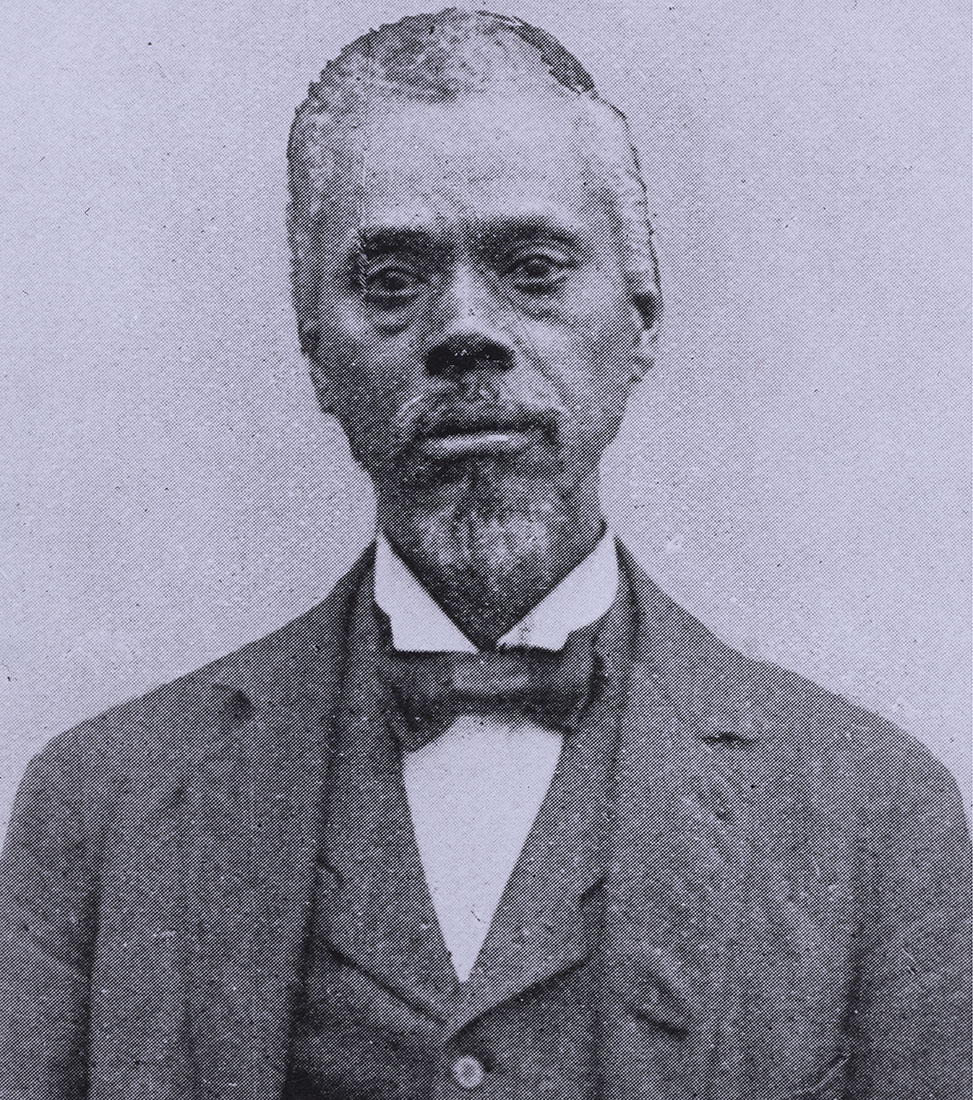
The Joseph Caldwell Monument is an obelisk that sits in the middle of McCorkle Place. It is dedicated to Joseph Caldwell, UNC's first president from 1804 to 1812 and again from 1817 to 1835. Caldwell and his family are interred beneath this monument. There is another, similar-looking obelisk in the Old Chapel Hill Cemetery. It marks the grave of Wilson Caldwell, a university employee born into slavery on campus, who was an educator and became one of the first African Americans elected to town government.

Joseph Caldwell was first buried in the cemetery and then reburied in 1846 with his second wife, Helen Hooper Caldwell, at a monument located near the present site of New West. This first monument, a sandstone obelisk, did not weather well. In 1858 the alumni association erected a new monument to the president in its current location. The graves remained near New West. In 1876 Mrs. Caldwell's son, William Hooper, who had been a member of the faculty, died and was buried next to his mother and stepfather. Their remains were reinterred at the current location in 1904. At the same time, the alumni of the class of 1891 asked that the old obelisk be erected in the cemetery in memory of Wilson Caldwell and other African American men who had served the university while enslaved and later as free men. This finally took place in 1922.

Date Established: 1922

Date Range: 1922 – Present

Wilson Swain Caldwell, ca. 1890s. Portrait Collection, North Carolina Collection Photo Archives, Wilson Library.


16 Apr: Caldwell Hall

Caldwell Hall

Dedicated in 1912, Caldwell was built to house the UNC School of Medicine. It is named for Joseph Caldwell, the university's first president. Designed as a state-of-the-art medical facility, it included laboratories and classrooms. In the basement it also contained pens for animals, including dogs, rabbits, guinea pigs, and mice, that students used for experiments. Known informally as Carolina's Zoo, the animal pens were a source of controversy. Students in nearby dorms complained about the noise, and the facilities hastened the tragic end of the first two Rameses mascots. Rameses I, the first live ram mascot at UNC, was purchased in the fall of 1924. He died in Caldwell Hall the following summer, believed to have been overheated in the closed facilities. In 1926 Rameses II died after medical students drew blood from him.

By the late 1930s the School of Medicine had outgrown the facilities in Caldwell Hall, and the building was converted to be used for classrooms. During World War II it served as the headquarters of the U.S. Navy pre-flight school. Renovated and expanded in the 1970s and 1980s, Caldwell now serves as the home of the Departments of Philosophy and Women's Studies.

Joseph Caldwell (1773—1835) came to UNC in 1796 to teach mathematics. He was a graduate of Princeton, where he also qualified for the ministry. He became UNC's first president in 1804 and served to 1812 but afterward remained on the faculty. The trustees asked him to take on the presidency again in 1817, and he served until his death in 1835. Caldwell not only labored to build academic programs, using his own funds to purchase books and astronomical equipment, but also was tireless in raising money and support for the new university. During his tenures UNC completed South Building, added a floor to Old East, and constructed Old West and Person Hall.

Date Established: 1912

Date Range: 1912 – Present

16 Apr: Cake Race

Cake Race

In the 1920s students began an annual tradition of running a cross-country race around the campus, with the winners receiving a cake. There were apparently many participants and many opportunities to win: for the 1923 race, the "ladies of Chapel Hill" prepared 100 cakes for the runners. Cake races were common at many universities, and the tradition continues at Davidson College. The Cake Race was popular in the 1920s and 1930s and then was revived and run a few more times in the 1950s and 1960s.

Date Established: 1920

Date Range: 1920 – Present

CafeteriaWorkersStrikes_973

16 Apr: Cafeteria workers' strikes

Cafeteria workers' strikes

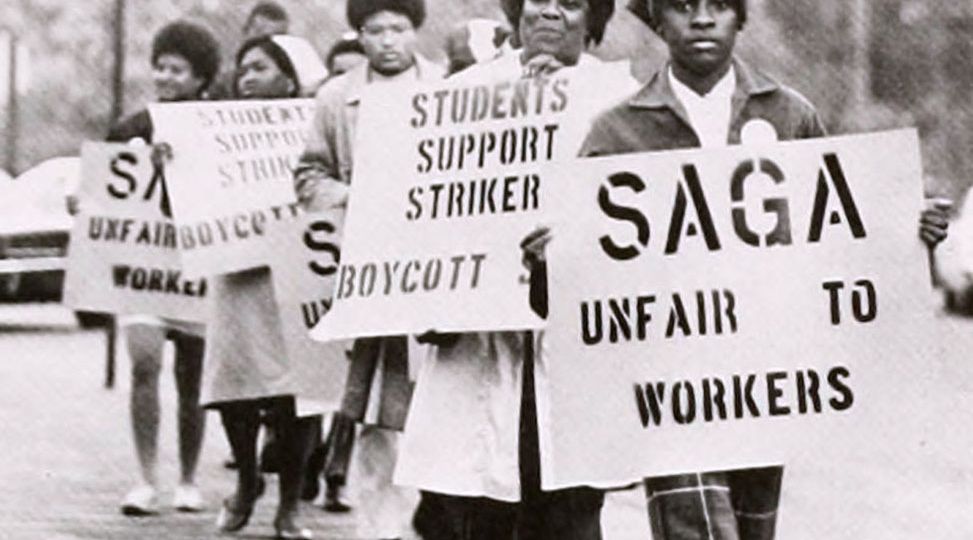
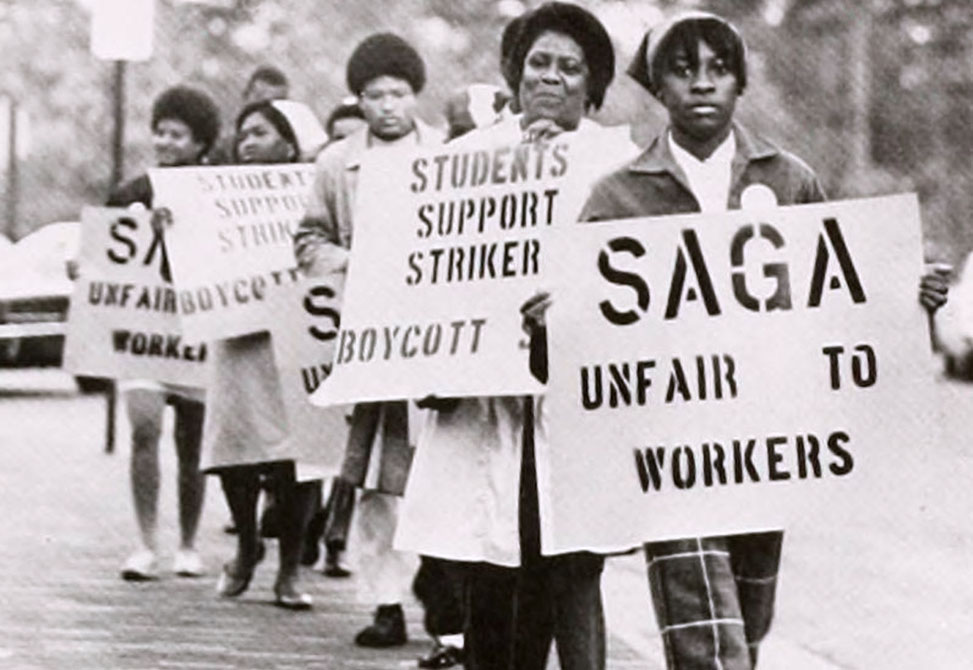
In the fall of 1968, dining hall workers at UNC—Chapel Hill presented Chancellor J. Carlyle Sitterson with a list of suggestions for improved working conditions. They lobbied for pay raises, shorter workdays, and better treatment from supervisors. Their cause was soon joined by members of the Black Student Movement, who listed improved treatment for African American staff at the university in their list of twenty-three demands to the chancellor in December 1968. In February 1969, still waiting for a response from campus administration, the cafeteria workers went on strike. They were supported by some students and faculty who joined the picket lines and helped set up an alternative food stand in Manning Hall. Black Student Movement members helped emphasize the demands of the workers by slowing down dining hall service and overturning tables in Lenoir Hall, actions that drew the attention of Governor Robert Scott. The governor first ordered students to be arrested if they disrupted campus services or facilities and then sent North Carolina Highway Patrol officers to campus to ensure that the dining hall could open and operate without incident. In March 1969 the campus administration agreed to meet several of the workers' demands, including a small raise, extra pay for overtime work, and back pay. However, a few months later the university outsourced its dining services to Saga Corporation, a private food service company. The cafeteria workers, now unionized, continued to complain of poor treatment and pay and went on another strike in late 1969, but campus administrators argued that their issues were now with Saga, not the university.

More information about Cafeteria workers' strikes

Date Established: 1969

Date Range: 1969 –
1969

Cafeteria workers on the picket line during the second cafeteria workers strike in late 1969. Yackety Yack, 1970, North Carolina Collection, Wilson Library.


BynumHall_973

16 Apr: Bynum Hall

Bynum Hall

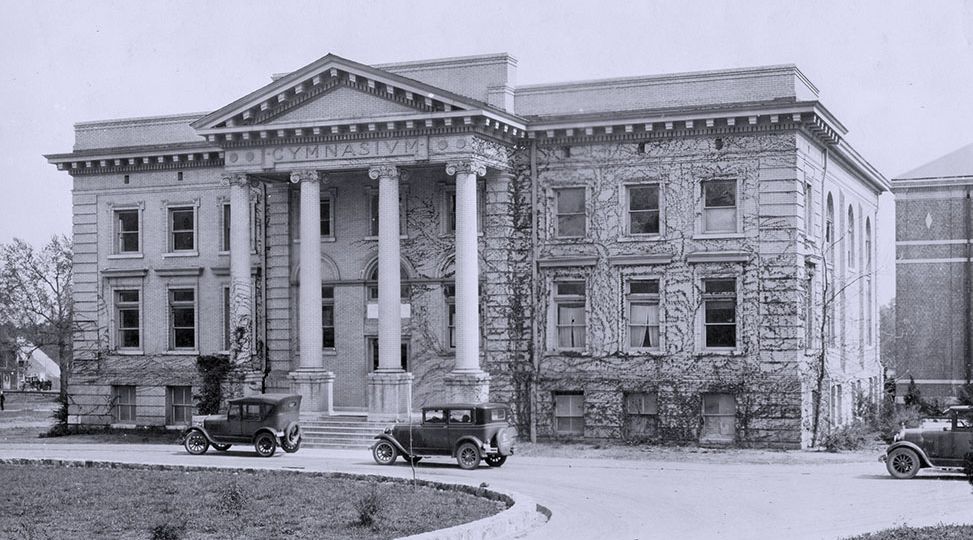
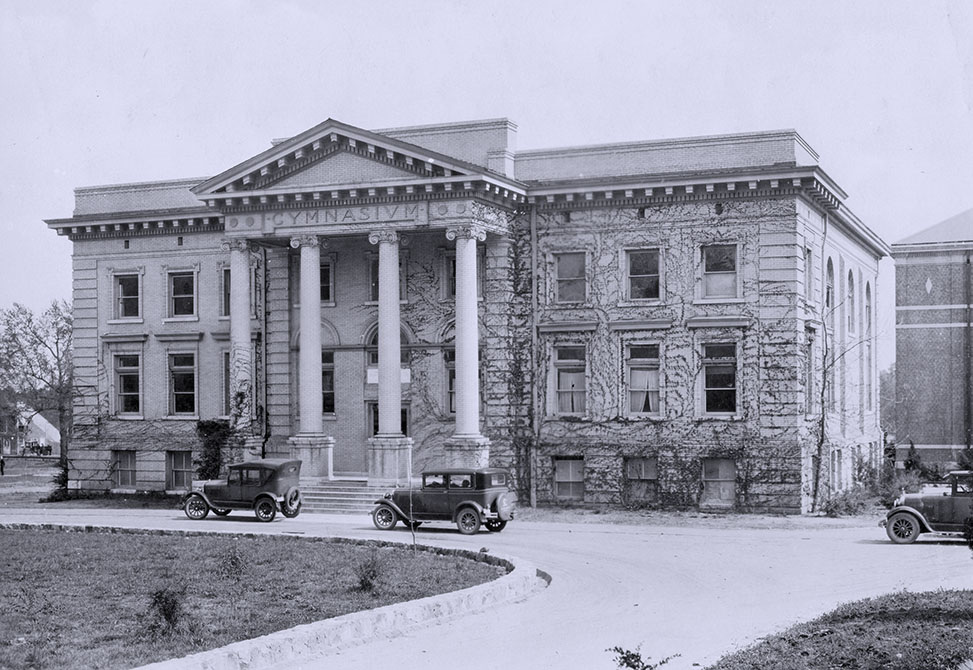
Bynum Hall was originally built as a gymnasium. It was completed in 1905 and named in honor of William Preston Bynum Jr., a student in the 1890s who died of typhoid fever after his sophomore year. Bynum's grandfather provided the funding for the building. It is one of only two on campus named for students solely in honor of their experiences as students (Hinton James Residence Hall is the other). The gym was fully equipped with early-twentieth-century fitness equipment. The Tar Heel reported that the medicine balls and punching bags were especially popular. One of the more interesting features of the gym was a second-floor balcony track. The basement held a swimming pool (the only indoor pool in Chapel Hill at the time) and locker rooms, including showers, which were popular in an era when many dorms did not have them. Bynum served as the primary gym on campus until the opening of Woollen Gym in 1938. A 1947 Alumni Review article fondly remembered the old gym, especially "that ‘gymnasium smell,' which provides an olfaction unfamiliar to students now accustomed to the air-blown dressing rooms of Woollen Gym."

The old gym space was converted to offices and housed the School of Journalism and the University of North Carolina Press. Student services, including the university cashier, were housed in Bynum for many years.

Date Established: 1905

Date Range: 1905 – Present

Interior of Bynum Gymnasium, 1905. Collier Cobb Photo Collection, North Carolina Collection Photo Archives, Wilson Library.


16 Apr: Burnett-Womack Clinical Sciences Building

Burnett-Womack Clinical Sciences Building

Opened in 1975 to house administrative and research space for the Departments of Medicine, Surgery, Pediatrics, Dermatology, Ophthalmology, Neurology, and Anesthesiology, the building is nine stories tall. It accommodated the medical school's principal clinical research labs and an animal facility. In 2004—6 the building had a complete renovation to accommodate growth and new technology and to relocate the animal facility elsewhere. It now houses the Department of Surgery and the Divisions of Cardiology, Endocrinology, and Nephrology for the Department of Medicine, the Carolina Vaccine Institute, clinical skills assessment facilities, a base for clinical trials, and a center for training in radiological science. The original construction was funded by the North Carolina legislature and a grant from the National Institutes of Health. The renovation was part of the 2000 higher education bond referendum.

The building is named in honor of Dr. Charles H. Burnett (1913—1967) and Dr. Nathan A. Womack, first chairs of the Departments of Medicine and Surgery, respectively. Burnett, a native of Colorado, came to Chapel Hill when the Department of Medicine expanded to a four-year school. He resigned in 1965 due to illness. Womack, a North Carolinian who attended UNC—Chapel Hill for his first two years of medical study, returned in 1951 to lead the Department of Surgery. After stepping down as chair in 1966 he continued to be active in the department. In 1969 his colleagues founded the Womack Surgical Society to honor him and provide a forum for networking, and later a scholarship fund for surgical residents. The society's activities continue as part of the surgery department's annual Research Day.

BullsHeadBookshop_973

16 Apr: Bull's Head Bookshop

Bull's Head Bookshop

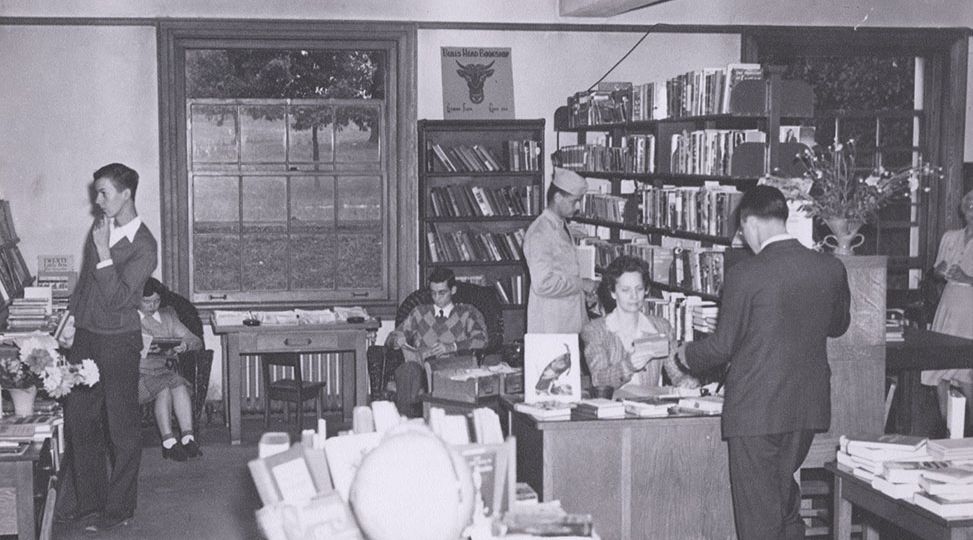
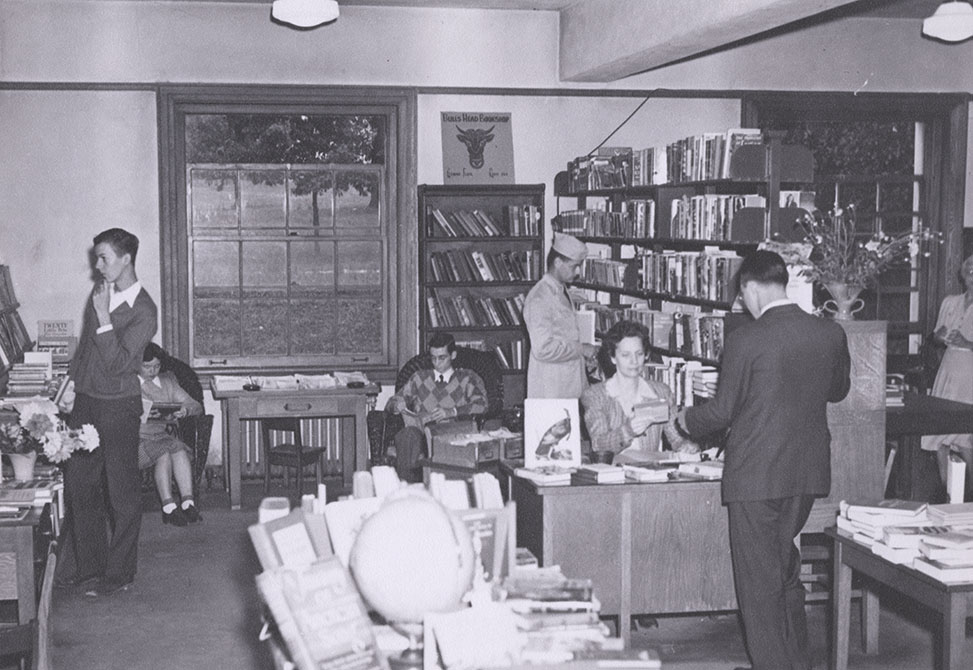
In 1927 English professor Howard Mumford Jones set up the Bull's Head Bookshop in his office in Murphey Hall. Jones wanted to bring a different kind of bookstore to campus: one with modern books and comfortable chairs that could serve as a sort of informal gathering place for reading and discussion. While it sounds a lot like a contemporary bookstore (though without a coffee shop), there was nothing else like it on campus or in Chapel Hill at the time. The bookstore was popular, quickly outgrowing Jones's office and moving to the Campus Y and then to the ground floor of Wilson Library. In addition to selling new books, the Bull's Head hosted readings and lectures and ran a book rental service. When the new Daniels Building was completed in 1968, the Bull's Head moved into a much larger space on the main floor, remaining separate in function and philosophy from the textbook department.

Date Established: 1927

Date Range: 1927 – Present

Bull’s Head Bookshop, ca. 1950s, when it was located on the ground floor of Wilson Library. UNC Image Collection, North Carolina Collection Photo Archives, Wilson Library.


Privacy Preferences
When you visit our website, it may store information through your browser from specific services, usually in form of cookies. Here you can change your privacy preferences. Please note that blocking some types of cookies may impact your experience on our website and the services we offer.