Skip to main content Scroll Top

Entries

BondurantHall_973

16 Apr: Bondurant Hall

Bondurant Hall

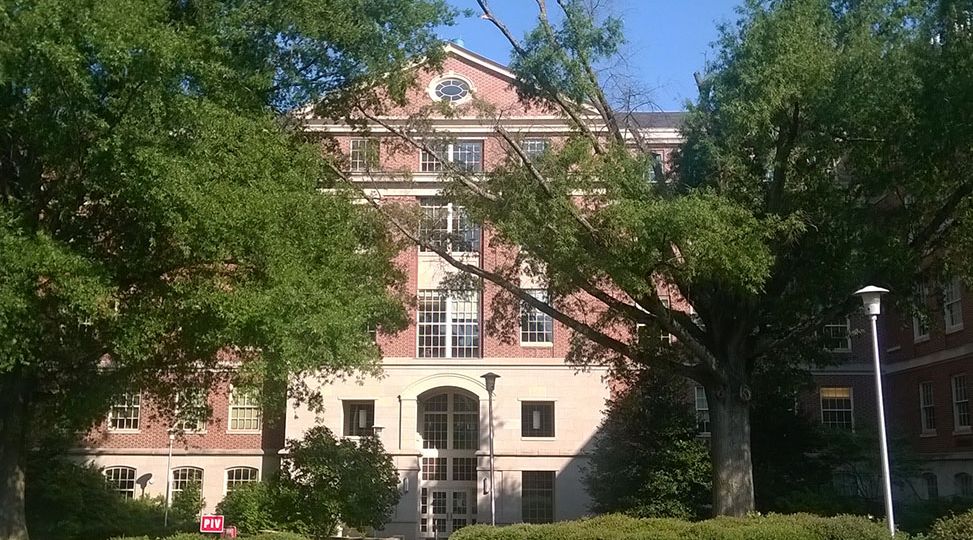
Bondurant Hall was known for several decades as the Medical Sciences Research Building. Completed in 1962, it was the first building at the School of Medicine devoted primarily to research. In 2003 the building closed for extensive renovations. It was rededicated in 2006 and named for Dr. Stuart Bondurant, who served as dean of the School of Medicine from 1979 to 1994. Bondurant Hall contains classrooms and administrative offices. With a new facade modeled after the School of Medicine's first building, MacNider Hall, it now serves as the "front door" to UNC—Chapel Hill's medical and health education programs.

Date Established: 1960

Date Range: 1960 – Present
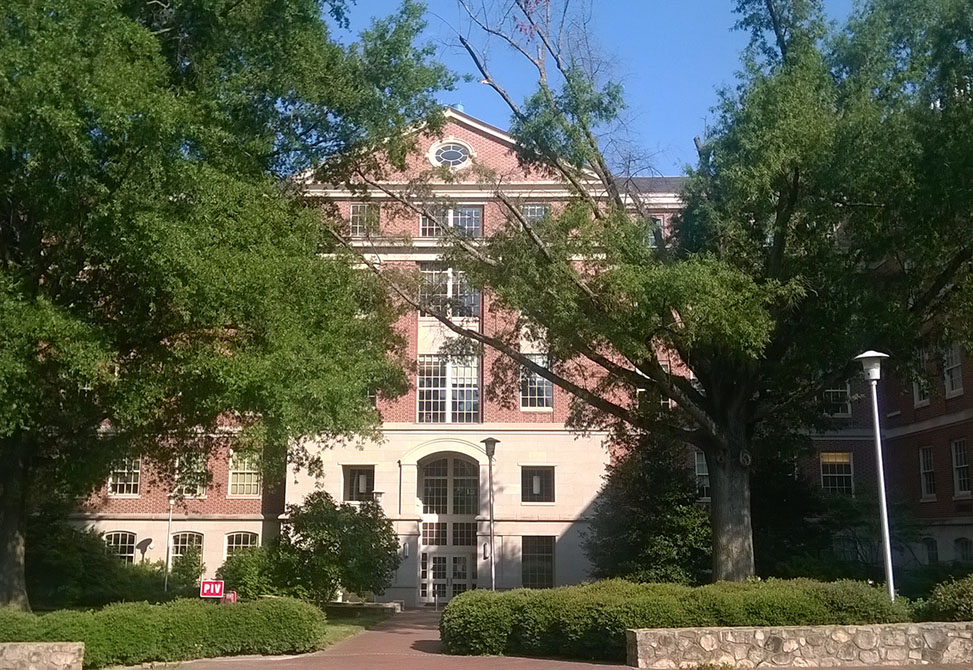
Bondurant Hall, 2014. Wikimedia Commons.
 

16 Apr: Board of trustees

Board of trustees

Each constituent institution of the UNC System has a board of trustees that advises the chancellor on the management and development of the university. UNC—Chapel Hill's board of trustees has thirteen persons: eight are elected by the UNC Board of Governors, four members are appointed by the North Carolina General Assembly, and the remaining member is the president of the student government, ex officio. The board chair is elected by board members for a two-year appointment. The appointed members serve four-year terms and are allowed to serve two consecutive terms.

The university has had a board of trustees since it was chartered in 1789, but its structure and responsibilities have changed over time. The 1789 charter provided for a forty-member board selected by the North Carolina General Assembly, with the governor as board president. The board's responsibilities included financial and capital management. This structure remained roughly in place until 1932, although some aspects changed. Board members had life memberships until 1868, when a new state constitution provided for eight-year terms and membership from each county, which eventually made the board 100 members. From 1868 to 1873 the State Board of Education selected members; thereafter, selection returned to the General Assembly. Under consolidation in 1932 the board of trustees assumed oversight of three institutions: the University of North Carolina, North Carolina State College of Agriculture and Engineering (North Carolina State University), and the North Carolina College for Women (now UNC-Greensboro). It continued to have 100 members, but 10 seats were reserved for women. The reorganization of 1971 into the UNC System replaced that board with the UNC System Board of Governors.

BlueJeansDay_973

16 Apr: Blue Jeans Day

Blue Jeans Day

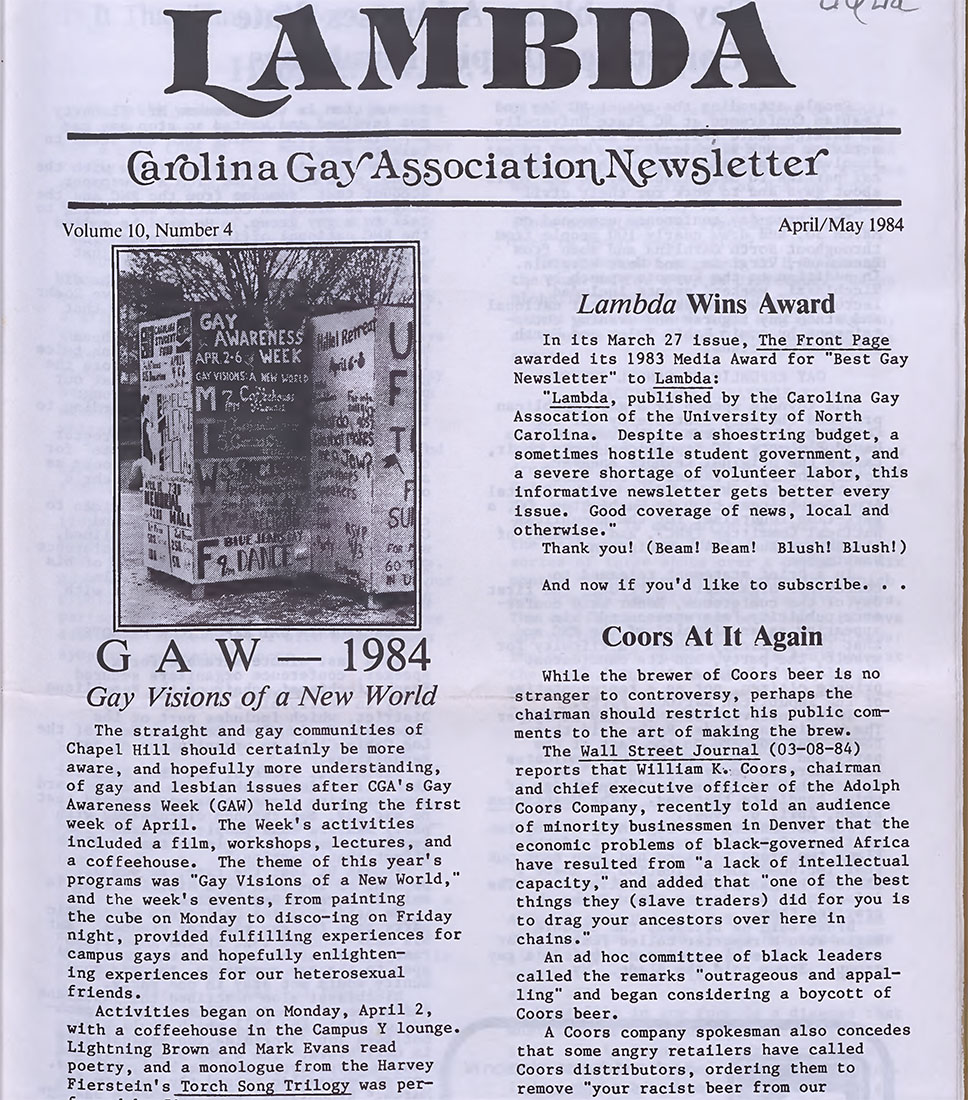
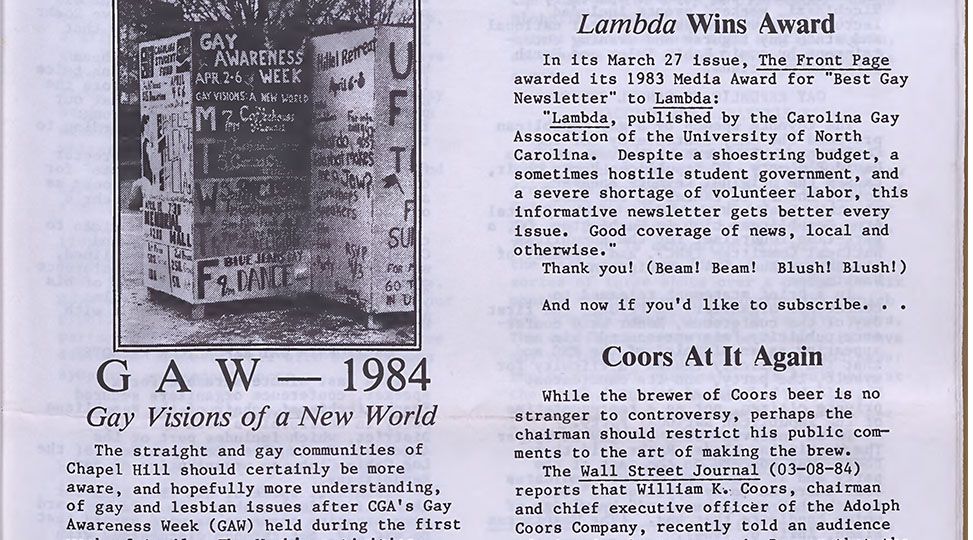
In the 1980s and early 1990s, as part of Gay Awareness Week on campus, the Carolina Gay and Lesbian Association announced "Blue Jeans Day." On that day all gay and lesbian students and their allies were encouraged to wear jeans. In response, according to a 1983 Daily Tar Heel editorial, large numbers of straight students consciously wore khakis or corduroys on that day. The event was an attempt to encourage all students to consider how simple daily choices could subject them to discrimination and stereotyping.


BloodOnTheOldWell_973

16 Apr: Blood on the Old Well

Blood on the Old Well

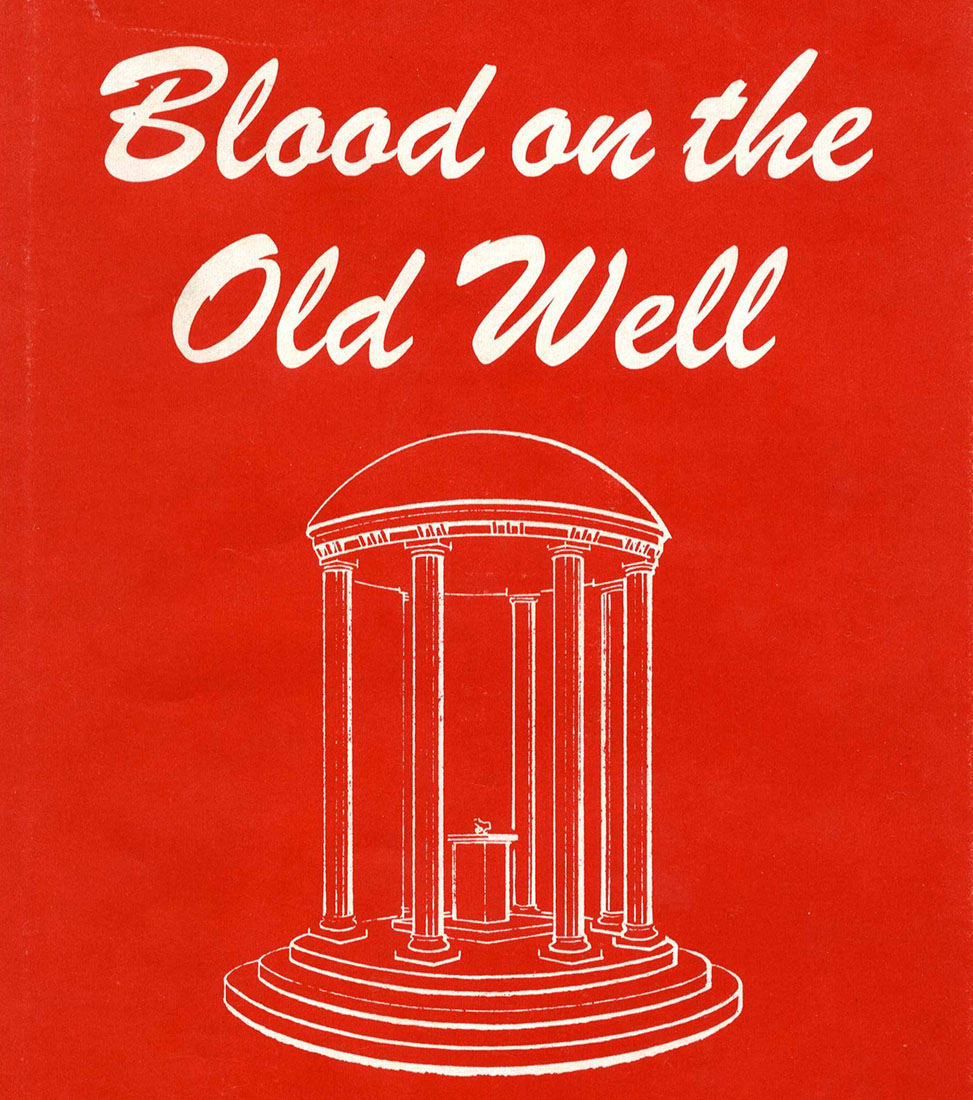
Blood on the Old Well is the title of a book by Sarah Watson Emery. Published in 1963, the book contains a series of scandalous accusations against the university. Writing about "the forces of moral and spiritual disintegration on display" at the university, Emery accused faculty of anti-Christian and anti-American teaching and alleged that there were a number of mysterious deaths on the campus. Emery was a resident of Chapel Hill for over a decade while her husband taught in the philosophy department. Blood on the Old Well contains extreme examples of the kinds of accusations that were often directed at UNC during the 1950s and 1960s, when the university was perceived as being too liberal and said by some to be subjecting its students to Communist influences.

Date Established: 1963

Date Range: 1963 – Present

Cover image for Blood On the Old Well. North Carolina Collection, Wilson Library.


BlackStudentMovement_973

16 Apr: Black Student Movement

Black Student Movement

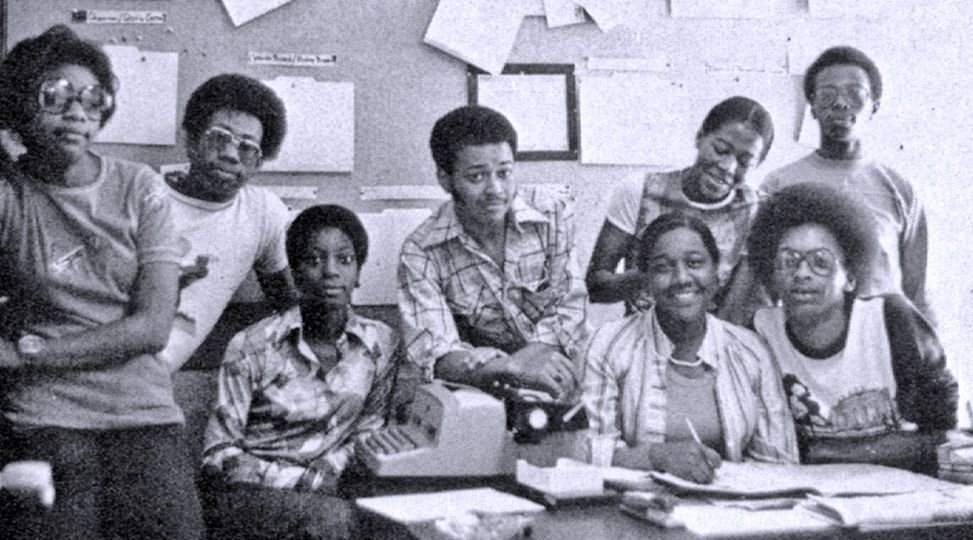
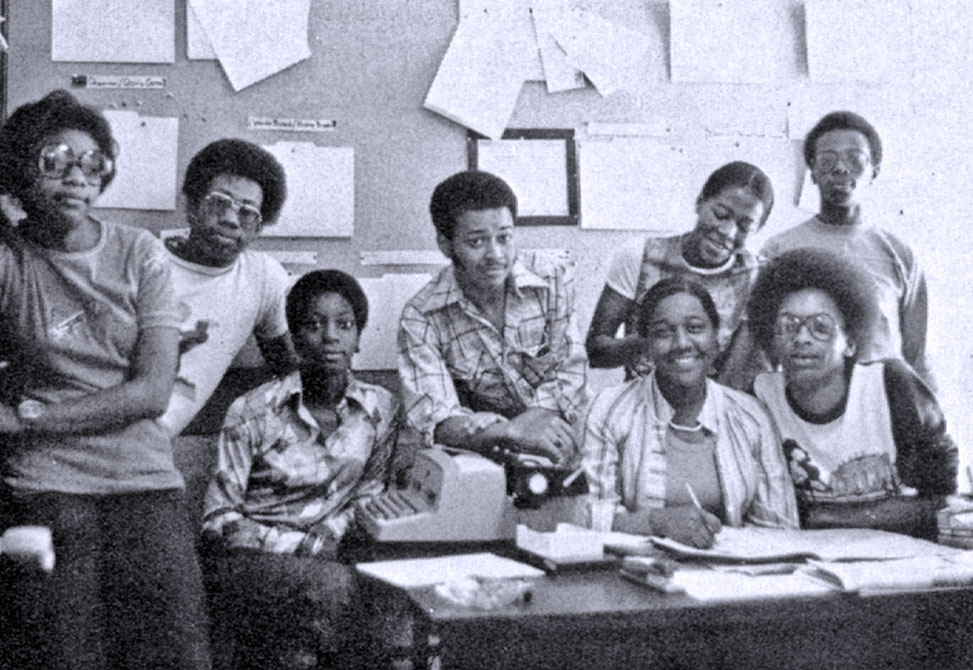
Formed in 1967 by a group of around forty African American students, the Black Student Movement (BSM) has grown into one of the largest student organizations at UNC—Chapel Hill. The group was founded by students frustrated with the campus chapter of the NAACP and by lack of representation in student government. Led by Preston Dobbins, one of the founders of the BSM and its first president, and cofounder Reggie Hawkins, the group was an outspoken advocate for African American students and workers on campus. In December 1968 the BSM presented Chancellor J. Carlyle Sitterson with a list of twenty-three demands for improved access, resources, and support for African American students, campus workers, and local African Americans, drawing a point-by-point response from the university administration. The BSM was especially active in the spring 1969 cafeteria workers' strike, supporting the workers as they advocated for improved wages and working conditions.

In 1969 the BSM began publishing Black Ink, a monthly newspaper dedicated to coverage of African American students, culture, and issues on campus. The BSM remained active in protests and organized advocacy throughout the years, with members participating in anti-apartheid demonstrations on campus in the 1980s and leading an ultimately successful campaign in the 1990s for a freestanding black cultural center on campus. In celebration of the organization's thirtieth anniversary in 1997, the BSM presented Chancellor Michael Hooker with a revised list of demands.

As the BSM grew along with the number of African American students on campus, it remained an active voice for student and community needs but also began to serve as a parent organization for student performing arts and cultural groups, including the UNC Gospel Choir, Opeyo! Dance Company, Ebony Readers/Onyx Theatre, and the a capella group Harmonyx. The BSM celebrated its fiftieth anniversary in 2017 with a celebration, symposium, fund-raising campaign, and a renewed commitment to advocate for African American students at UNC.

Date Established: 1967

Date Range: 1967 – Present

Black Student Movement members Yackety Yack, 1976. North Carolina Collection, Wilson Library.


BinghamHall_973

16 Apr: Bingham Hall

Bingham Hall

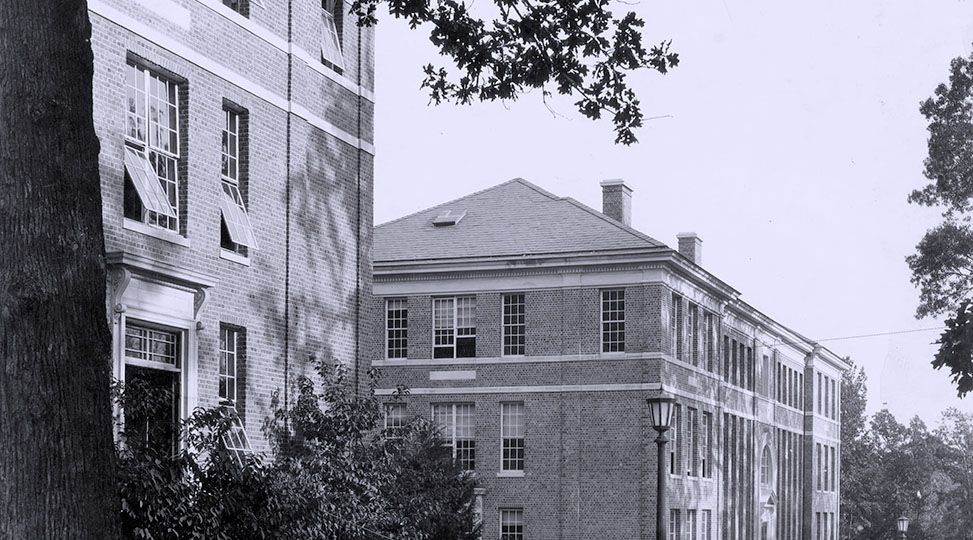
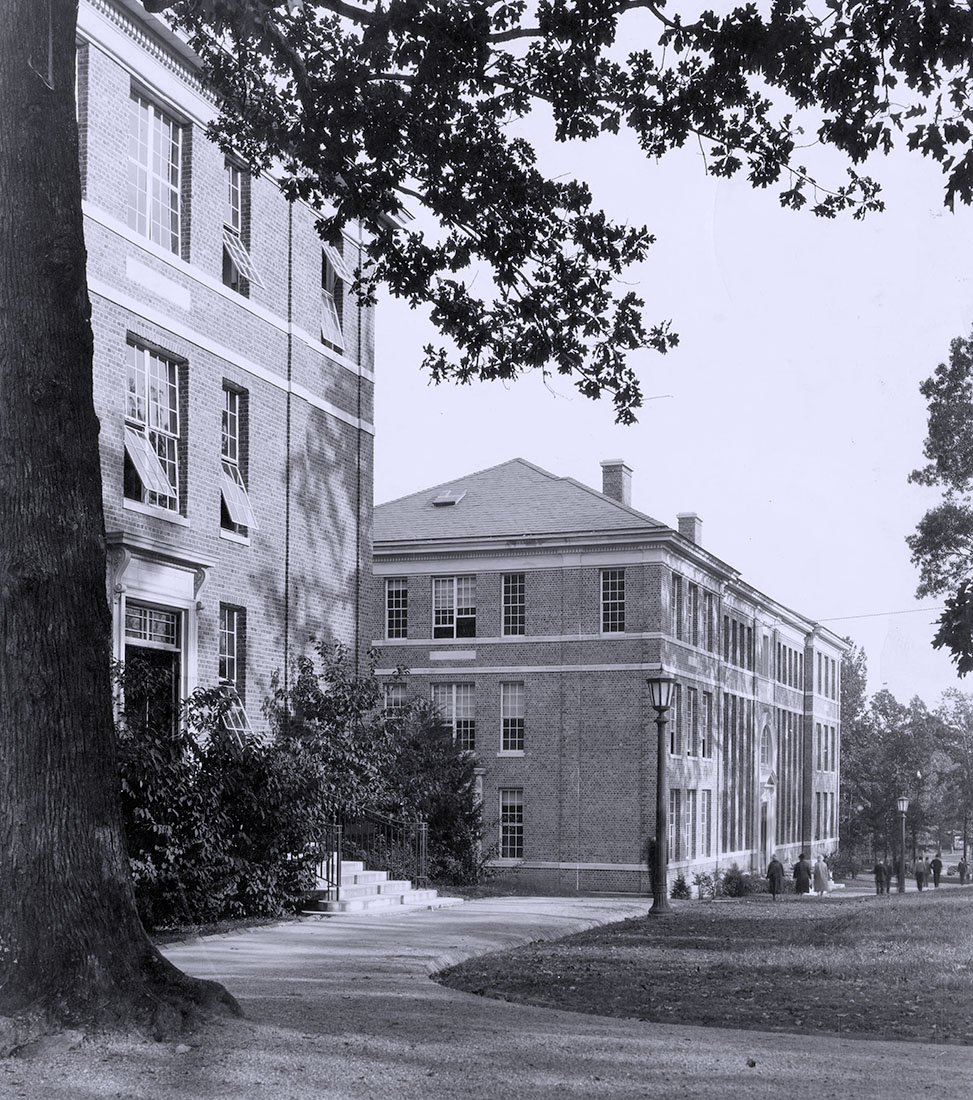
Bingham Hall was completed in 1929 for use by the School of Commerce. It shared the same architectural style as nearby Murphey and Saunders Halls. Bingham housed the Department of English from the 1950s through the early 1970s, followed by the Department of Speech (now the Department of Communication). The building is named for Robert Hall Bingham, an 1857 graduate of UNC. Bingham was a Civil War veteran and an educator, serving as headmaster of the Bingham School in Hillsborough, which was founded by his grandfather. Bingham was known as an especially enthusiastic alumnus. He was a prolific speaker and writer on education, race, and the Civil War. His article "An Ex-Slave Holder's View of the Negro Question in the South," published in Harper's in 1900, outlined his beliefs in white supremacy and racial purity and argued against African American suffrage.

Date Established: 1928

Date Range: 1928 – Present

Bingham Hall, ca. 1940s. UNC Image Collection, North Carolina Collection Photo Archives, Wilson Library.


16 Apr: Berryhill Hall

Berryhill Hall

Berryhill Hall opened in 1971 to provide much-needed classroom and laboratory space for the growing School of Medicine. It was named in 1973 for W. Reece Berryhill, longtime dean of the school. Berryhill, from Charlotte, graduated from UNC in 1921. He practiced medicine for several years before returning to Chapel Hill as director of student health. He served as dean of the School of Medicine from 1941 to 1964, a period that saw the school grow from a two-year to a four-year program and expand its statewide outreach. In 2017, citing the need for a building that would provide more flexibility and an improved technical infrastructure, the university announced a plan to replace the aging Berryhill Hall.

Date Established: 1969

Date Range: 1969 – Present

16 Apr: Benefactors

Benefactors

Even though the University of North Carolina has always been a public university, state financial support has varied greatly over time. At the beginning the state provided no direct support. Instead, it authorized the university to charge tuition and to collect on the state's unpaid debts and escheats, the estates of people who died without legal heirs. The legislature did make a loan of $10,000 toward construction of the first building, Old East, which they eventually agreed to turn into a gift. There was no direct appropriation until 1881, and not until the 1920s did the university began to receive regular appropriations to operate the institution.

What has been consistent throughout its history is that tuition and public funds have not been sufficient to meet the need. Therefore, the university has always relied on benefactors —those people or entities that make gifts of one form or another. The practice began with eight Orange County landowners who donated some 700 acres to serve as the site for the campus and town of Chapel Hill. At the same time, donations by Benjamin Smith and Charles Gerrard of land claims received in payment for their service in the Revolutionary War eventually funded the construction of Smith Hall (now historic Playmakers Theatre) and Gerrard Hall.

The first significant cash gift was from Thomas Person, who gave Carolina 1,050 silver dollars in 1796 to complete construction of the building that now bears his name. While throughout the nineteenth century the university president and trustees traveled throughout the state to solicit donations, campus leaders did not start a formal fund-raising program until the mid-twentieth century.
Some benefactors gave in an involuntary way. The Smith lands, for example, were not university property until the United States expropriated the area from the Chickasaws through treaties in the early 1800s. Gifts that enriched the university from antebellum donors originated largely from the profits of enslaved labor, while funds from the sale of enslaved people in escheats also provided significant income before the Civil War. Others intentionally provided for the university in their wills, some of which made a significant difference in the ability of university leaders to strengthen academic programs. Two noteworthy bequests were from Mary Ruffin Smith, who bequeathed a family plantation in Chatham County to the university to support scholarships for indigent students, and Mary Lily Kenan Flagler Bingham, whose will established the Kenan Professorships.

In the early twentieth century Carolina began to build a modern research university. Leaders sought support from northern philanthropists, including Andrew Carnegie, George Peabody, and the Rockefeller family. In North Carolina a generation of industrialists made significant investments in the university, including the Hill family of Durham, the Hanes family of Winston-Salem, the Kenans, and the Moreheads. As the university expanded its medical school and health care programs in the 1950s and 1960s, families like the Linebergers and the Loves contributed to the facilities. Their gifts augmented the major investments that the people of North Carolina made through state appropriations. Some names are virtually unknown because they do not appear on the landscape. Joseph Ezekiel Pogue, an alumnus who made his fortune in petroleum exploration, left his $11 million estate to Carolina as an unrestricted endowment. It has been used in many ways over the years, including for library acquisitions, scholarships, and research.

BellTower_973

16 Apr: Bell tower

Bell tower

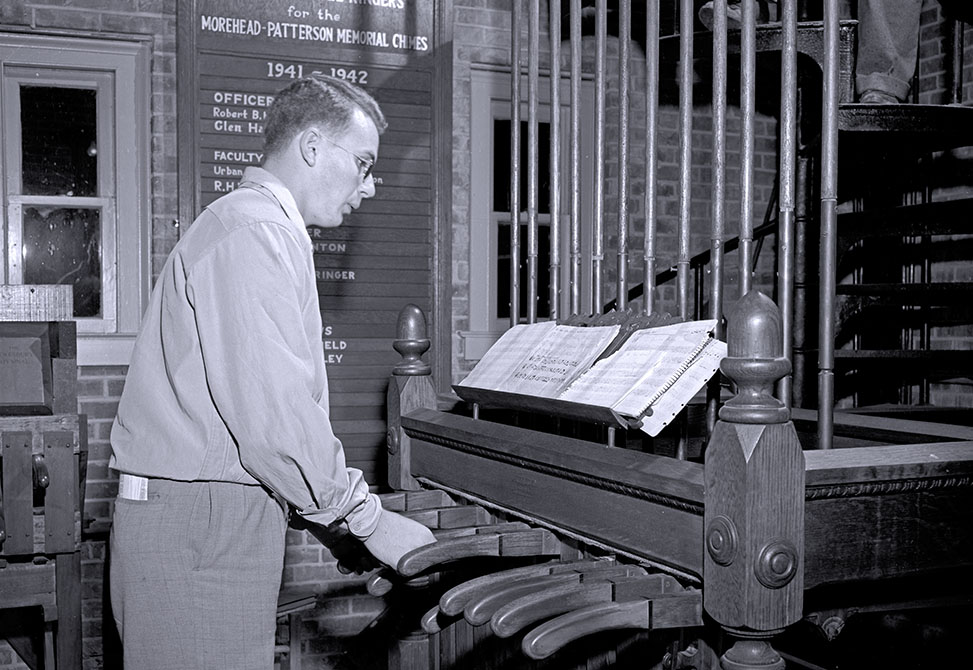
The university's iconic bell tower was dedicated on November 26, 1931. The official name —Morehead-Patterson Bell Tower —recognizes the families of the two men who donated the funds to build it in the heart of campus. John Motley Morehead, UNC class of 1891, and his cousin Rufus Lenoir Patterson II first tried to place a bell tower on top of South Building but were turned down. They then suggested the center of Polk Place, where the flagpole now stands, but the architectural plan for the quad called for it to remain open space. In 1930 they asked the university to include it in the plan for the new Memorial Hall but were eventually persuaded to accept the site south of Wilson Library.

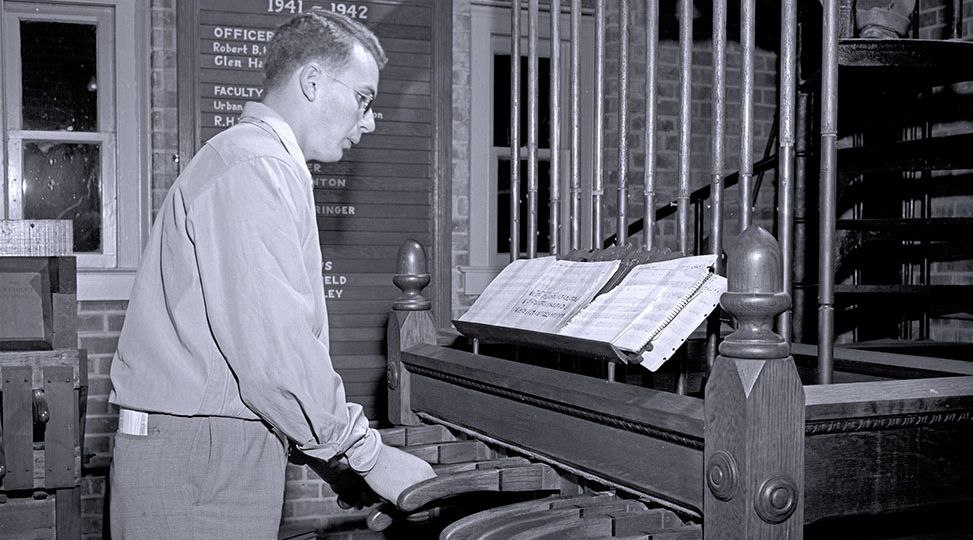
Located at the north end of Kenan Stadium, the bell tower rises 172 feet. Its belfry originally contained a carillon of twelve manually operated bells. Two additional bells were added in the 1980s and the system was mechanized. The bells chime the hour and quarter-hours and play songs on special occasions. In a letter to John Motley Morehead a few weeks after the tower dedication, university president Frank Porter Graham wrote that the "chimes are becoming part of the atmosphere and the spirit of the place."

A student serves as master bell ringer, an honor that comes with a key to the door and the chance to play "Carolina Victory" on home football game days. It is a campus tradition for seniors to climb the narrow spiral staircase to the top at the end of the year. Many of their signatures fill the inside walls.

Date Established: 1931

Date Range: 1931 – Present

Interior of the Morehead-Patterson Bell Tower, ca. 1965, showing a student manually ringing the bells. UNC Photo Lab Collection, North Carolina Collection Photo Archives, Wilson Library.


BeatDookParade_973

16 Apr: Beat Dook Parade

Beat Dook Parade

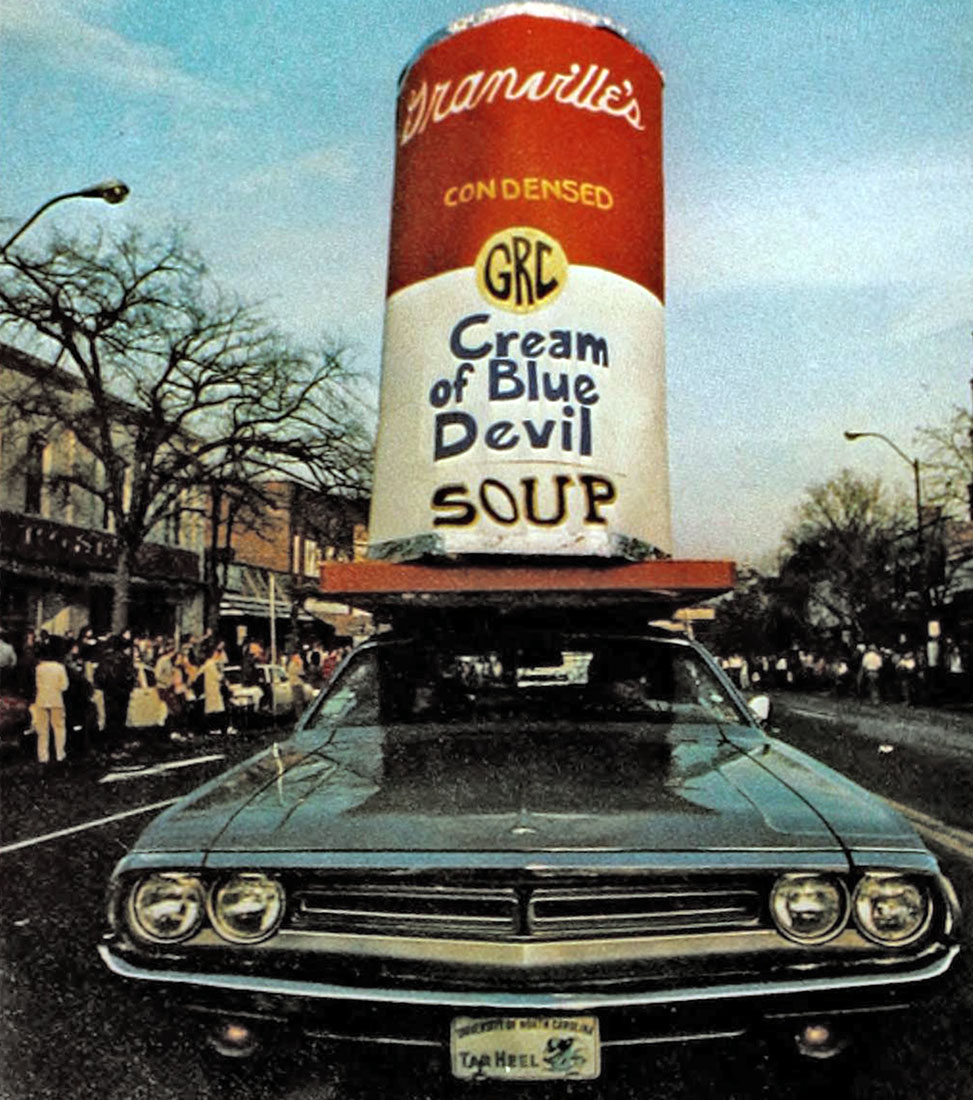
The practice of misspelling the name of UNC—Chapel Hill's rival as "Dook" probably began in the 1930s, when "Beat Dook" banners were common at pep rallies. The annual Beat Dook Parade, sponsored by Pi Kappa Alpha fraternity, began in 1948 with a procession of twenty-eight cars and floats. The parade, held on the weekend of the UNC-Duke football game, traveled down the main block of Franklin Street. The number of floats grew steadily, as did the number of spectators, with thousands turning out to watch the parade each year. The 1962 parade was an especially rowdy one, drawing the criticism of Chapel Hill officials and university administrators. Several floats were said to be offensive and in bad taste —examples included floats with a large screw ("Screw Dook") and an outhouse ("Dump on Dook"). The sponsoring fraternities were reprimanded, and campus administrators threatened to cancel the parade. The fraternities worked out an arrangement where their floats would be submitted for official review prior to entering the parade. With increased scrutiny and caution, the parade continued through the mid-1990s.

Date Established: 1948

Date Range: 1948 – Present

Float from the 1973 Beat Dook Parade. Yackety Yack, 1974, North Carolina Collection, Wilson Library.


Privacy Preferences
When you visit our website, it may store information through your browser from specific services, usually in form of cookies. Here you can change your privacy preferences. Please note that blocking some types of cookies may impact your experience on our website and the services we offer.